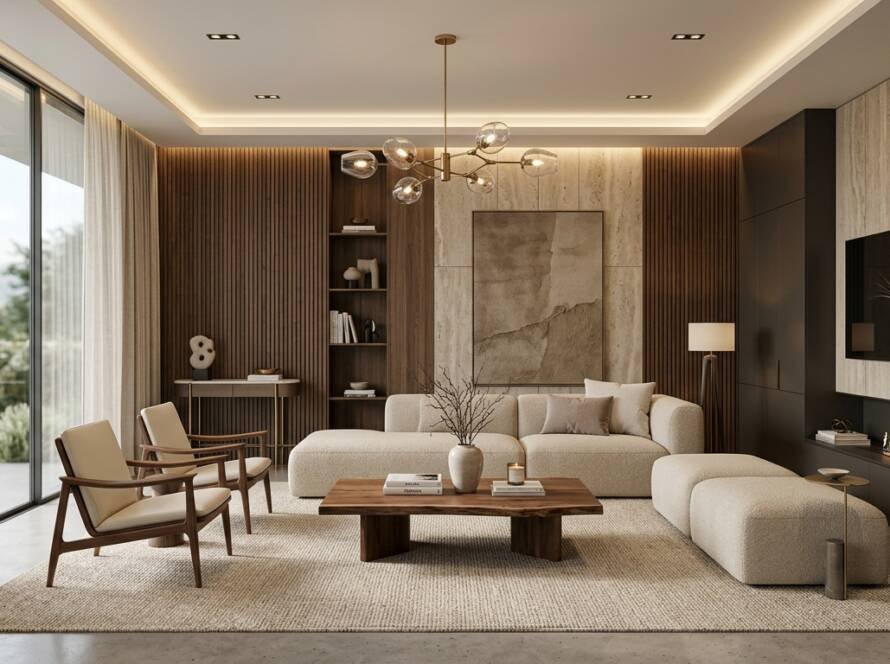
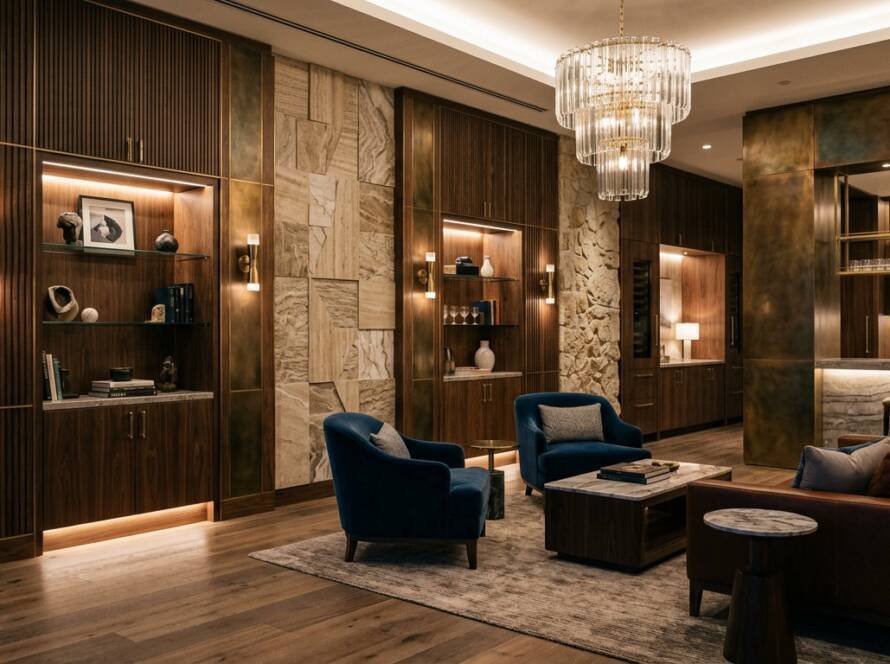
Furniture design is no longer limited to functionality. Today’s consumers expect furniture that reflects personal style while maintaining durability for everyday use.
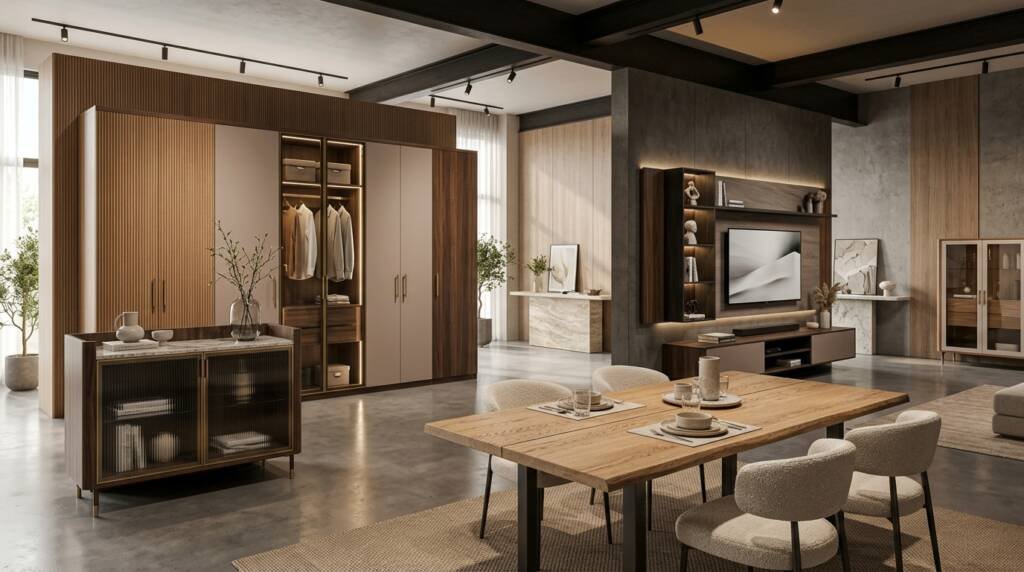
When selecting decorative surfaces for furniture applications, several factors should be considered. The intended use of the furniture plays a major role. High-traffic applications such as wardrobes, kitchen cabinets, and office furniture require surfaces that resist scratches, stains, and wear.
Color and texture selection are equally important. Light woodgrains create spacious, welcoming environments, while darker finishes deliver a premium and sophisticated appearance. Designers often combine multiple textures to create visual contrast and depth.
Maintenance should also influence material selection. Easy-to-clean decorative surfaces help maintain furniture appearance for years with minimal effort.
By carefully considering aesthetics, performance, and application requirements, furniture manufacturers can create products that stand out in a competitive market.